Master the Art of Grinding: Unleash the Possible of 1Zpresso J-Max
Wiki Article
Master the Art of Grinding Coffee Beans: A Guide to Coffee Grinders
For coffee lovers, the procedure of grinding coffee beans is more than simply a regular job; it is an art form that can considerably influence the flavor and top quality of the final mixture. Comprehending the subtleties of different mill types, picking the appropriate work dimension, and using the right strategies are essential actions towards attaining that perfect cup of coffee.Sorts Of Coffee Grinders
There are 3 key kinds of coffee mills commonly made use of by coffee enthusiasts: blade mills, burr mills, and hand-operated grinders. Blade mills are the a lot of fundamental kind, using a simple blade to slice the coffee beans. While they are inexpensive and very easy to utilize, they commonly lead to uneven coffee premises as a result of inconsistent grinding. Burr grinders, on the other hand, provide more precision by crushing the beans in between a moving grinding wheel and a non-moving surface. This causes an uniform work dimension, which is essential for a consistent coffee taste. Burr grinders are available in both flat and conical forms, each offering a little different grinding characteristics.Hand-operated mills, as the name suggests, call for hands-on initiative to grind the coffee beans. Each type of coffee grinder has its benefits and optimal use situations, providing to the varied choices of coffee fanatics.

Choosing the Right Grind Dimension
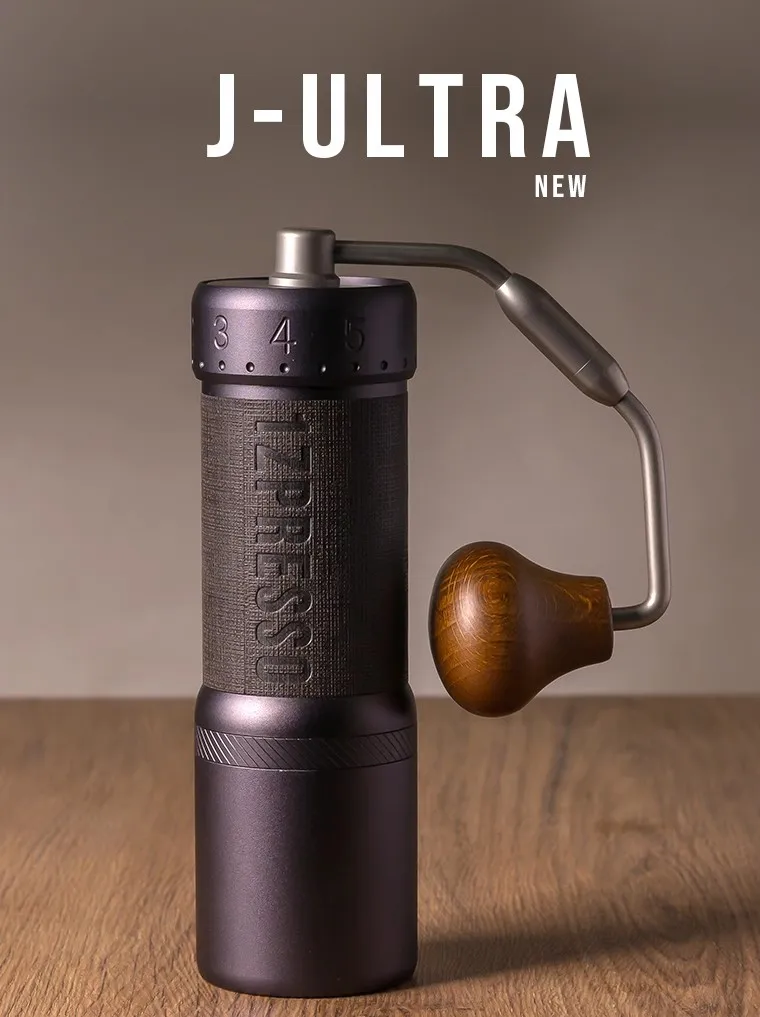
With an understanding of the different types of coffee grinders, the next essential action in accomplishing the ideal cup of coffee is choosing the ideal grind size. The grind size plays a significant duty in establishing the taste profile of your coffee (1Zpresso J-Ultra). Various developing approaches call for specific work dimensions to enhance the extraction of tastes from the coffee groundsFor a rugged grind, perfect for French press and cold brew methods, the coffee beans need to resemble breadcrumbs, supplying a robust and bold flavor. Medium-coarse grinds, appropriate for Chemex or Clever Dripper, have an appearance comparable to rugged sand, offering a balanced preference.
Medium grinds, frequently utilized in drip coffee manufacturers, have a consistency looking like routine sand, leading to a well-rounded flavor. Fine grinds, finest for coffee makers, are similar to common salt, producing an abundant and intense preference. Extra-fine grinds, used in Turkish coffee, are as fine as powdered sugar and generate a solid and potent brew.
Grinding Methods for Ideal Flavor
To extract the maximum capacity of flavor from your coffee beans, grasping proper grinding methods is crucial. Consistency is crucial when it pertains to grinding coffee beans for ideal taste. Guaranteeing that the coffee beans are ground evenly is critical to accomplish a balanced removal throughout the brewing process. Among the basic techniques for boosting taste is to change the grind size based on the developing technique being used. For example, a fine grind is perfect for coffee makers, while a rugged work is better for French press developing. Additionally, the grinding time plays a substantial role in taste extraction. Over-grinding can cause a bitter preference, while under-grinding may lead to a sour flavor. It is recommended to try out different grind dimensions and brewing times to discover the ideal equilibrium that matches your taste preferences. By taking note of these grinding strategies, you can boost the flavor account of your coffee and appreciate a more satisfying cup every single time.Upkeep and Cleaning Up Tips
Along with regular cleansing, it is important to check your grinder for any kind of signs of wear or damage. Check the blades, burrs, and other components for any monotony or malfunctions. Replace any kind of damaged components without delay to maintain the top quality of your coffee grind. Lastly, store your mill in a completely dry and tidy setting to stop any type of wetness or dirt from influencing its performance. By following these upkeep and cleaning ideas, you can guarantee that your coffee grinder remains to supply scrumptious freshly ground coffee for many years to find.
Troubleshooting Common Grinder Issues


Guaranteeing your coffee mill functions smoothly needs adept troubleshooting of usual problems that may emerge throughout its use. One common problem with coffee mills is inconsistent work dimension. This concern can take place as a result of dull blades, incorrect calibration, or uneven coffee beans. To address this, ensure your mill's blades are sharp and correctly aligned, adjust the mill according to the desired work size, and tremble the grinder carefully while in use to assist achieve a much more uniform grind.
This can happen when oils from the coffee beans develop up and block the grinder's chute. To solve this, take apart the mill and clean all components thoroughly, paying unique interest to the chute and burrs.
Last but not least, if your mill is creating too much sound during procedure, it could suggest an issue with the motor or inner components. In such instances, it is recommended to consult the producer's instructions for repairing 1Zpresso J-Ultra actions or look for expert support to detect and fix the problem without delay.
Final Thought
To conclude, grasping the art of grinding coffee beans involves recognizing the different types of coffee grinders, selecting the appropriate grind dimension, using proper grinding methods for ideal flavor, and keeping and cleaning up the mill frequently. By following these standards and repairing common grinder issues, coffee fanatics can raise their coffee brewing experience and enjoy a delicious cup of coffee whenever.Report this wiki page